

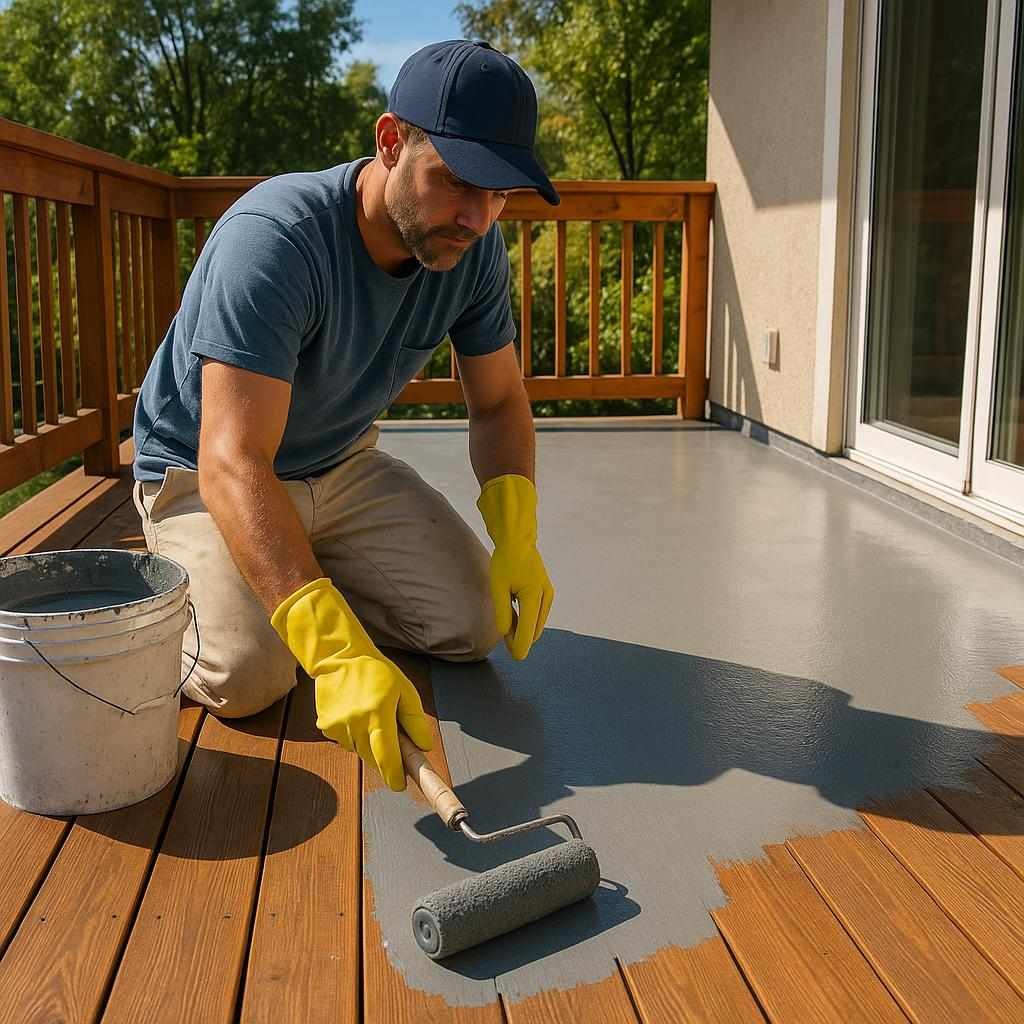
Deck coating waterproof systems help stop moisture from soaking into wood, concrete, and other exposed deck surfaces. The best choice depends on traffic, sun exposure, surface condition, and whether you want a DIY coating or a heavier membrane-style system.
This guide explains the main coating types, how to choose between them, how to apply them, and what maintenance keeps the finish working longer. It is built for homeowners who want a practical buying and prep plan before opening a bucket.
Best Types of Deck Coating Waterproof Systems
A deck coating waterproof system is either a surface coating, a reinforced liquid membrane, or a heavier assembly designed to keep water from moving through the walking surface. Polyurethane usually fits residential traffic and exposed weather best, while heavier membrane systems make more sense when water intrusion is already a bigger structural concern.
That basic split also shows up in manufacturer system literature. Westcoat and other system-focused brands separate light surface protection from full waterproof assemblies, especially when the deck sits over occupied space or has a history of leaking at seams and transitions.
Polyurethane Coatings
Polyurethane coatings are popular because they create a durable wear layer and still move a little with the deck. They are often chosen for decks that need both waterproofing and a finish that can tolerate sun, foot traffic, and seasonal temperature swings.
They usually need careful surface prep and a compatible primer. If the deck already has peeling material, trapped moisture, or soft wood, a polyurethane topcoat alone will not solve the underlying problem.
Acrylic and Water-Based Systems
Water-based acrylic systems are often easier to work with and can be a practical choice for lighter-duty residential surfaces. They are commonly selected when lower odor, easier cleanup, and simpler recoat work matter more than maximum thickness.
The tradeoff is that performance depends heavily on the specific system and the surface underneath it. They are usually best on stable substrates with good drainage and a realistic maintenance plan.
Liquid Membranes and Reinforced Systems
Liquid membranes and reinforced systems are the heavier-duty end of the category. They are often used when the deck also functions as a waterproofing layer over occupied space, or when the project needs a more technical assembly with fabric reinforcement and multiple coats.
These systems can be very effective, but they are less forgiving of bad prep. If the deck has failed seams, ponding water, or structural movement, the full system matters more than the topcoat name on the label.
Westcoat’s Mer-ko system package updated in 2025 describes a pedestrian waterproofing assembly with fabric reinforcement, a minimum finished thickness of 1/4 to 5/16 inch, and IAPMO Evaluation Report ER-517. That kind of data point is a clue that you are comparing a full system, not just a decorative coating.
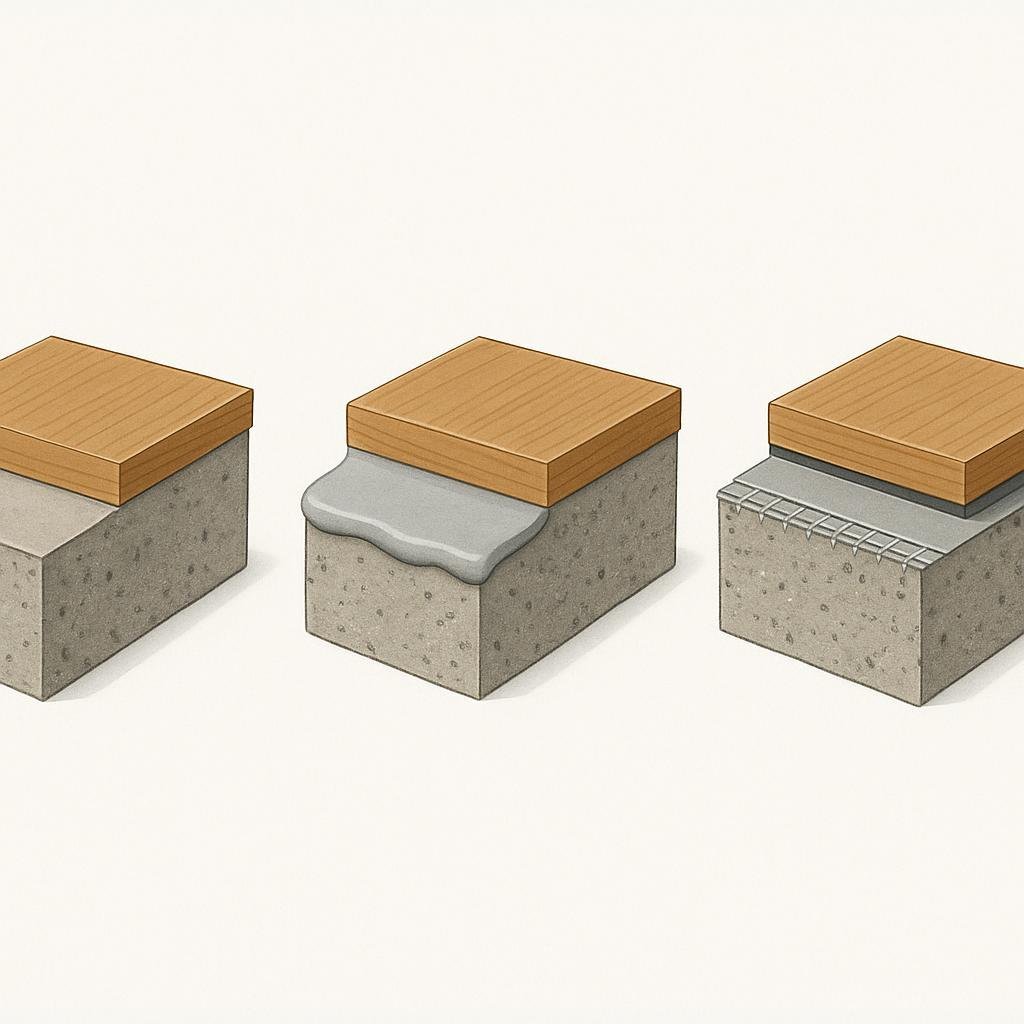
| System Type | Best For | DIY Difficulty | Main Watchout |
|---|---|---|---|
| Polyurethane | Residential decks with regular foot traffic | Moderate | Needs careful prep and compatible primer |
| Acrylic | Lighter-duty decks and easier recoats | Easier | Less forgiving on weak or wet surfaces |
| Membrane system | Decks over living space or leak-prone assemblies | Hard | System design matters more than a single product |
How to Choose the Right Coating for Your Deck
The right coating choice is a substrate and leak-risk decision before it becomes a brand decision. Before comparing brands, decide whether you are protecting a solid but weathered surface, rebuilding over a problem deck, or trying to waterproof a deck over occupied space.
In practice, that means checking what the deck is made of, where water already enters, and how much movement the assembly sees. A simple coating refresh is very different from a waterproofing rebuild, even if the product labels sound similar.
Match the System to the Surface
Wood decks, concrete decks, balconies, and rooftop-style walking surfaces do not all need the same coating build. A coating that works well on a stable concrete surface may be the wrong answer for soft wood planks or a deck with movement at the joints.
That is why a surface inspection matters first. Soft spots, trapped moisture, failed caulk joints, and poor drainage should be corrected before coating begins.
Think About Water Paths, Not Just Top Color
If water can still get into edges, seams, posts, or fastener penetrations, the coating may look good while the deck keeps failing underneath. American Wood Council guidance consistently points back to moisture control as a core part of protecting wood assemblies.
The American Wood Council explained in 2021 that protected wood members below 19% moisture content are considered dry-service conditions, while members regularly exposed to rain need wet-service assumptions. That is a useful reminder that deck waterproofing decisions should start with exposure, not just finish color.
That means the best deck coating waterproof plan includes flashing details, slope awareness, edge sealing, and realistic recoat timing. A strong top surface cannot compensate for a poor water-management design.
How to Apply Deck Waterproof Coating
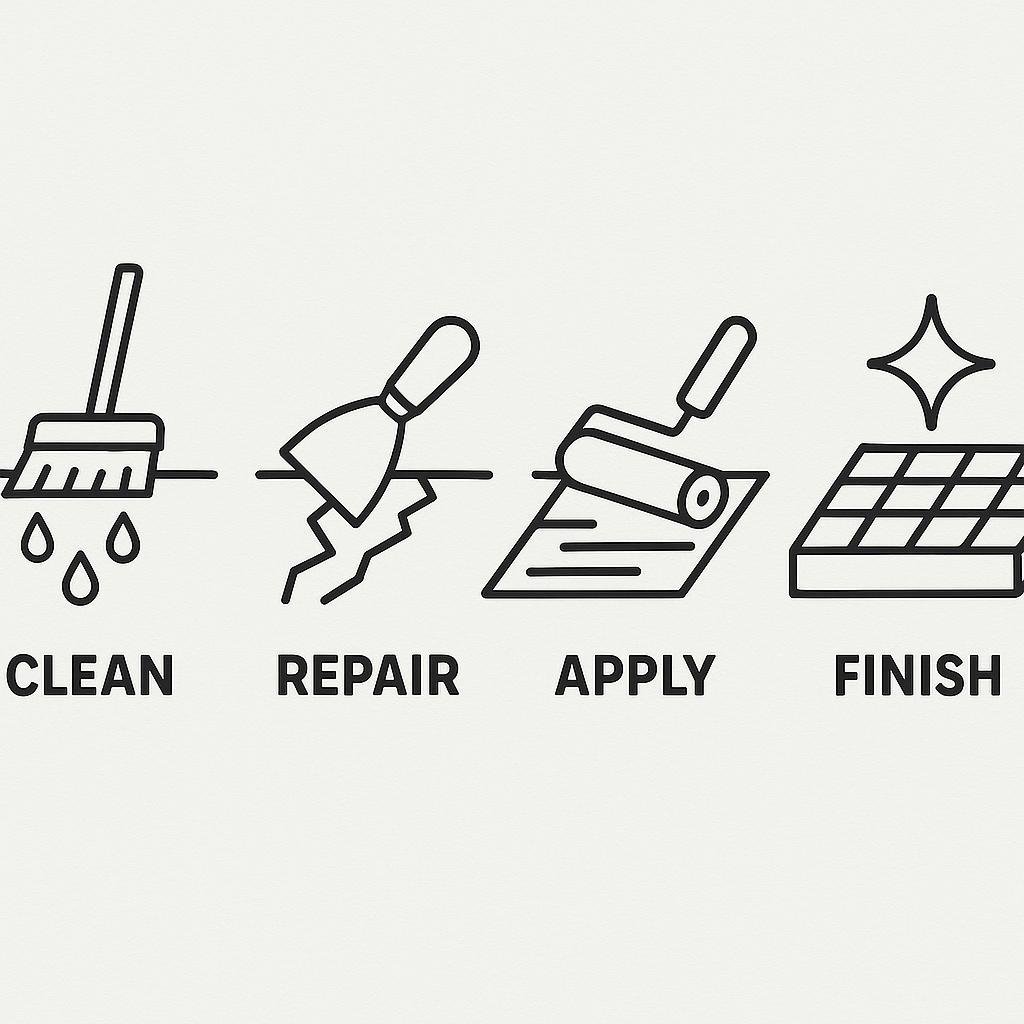
A successful waterproof deck application is mostly a prep-and-sequence job, not a paint-color job. A waterproof deck coating performs best when the surface is dry, clean, sound, and coated inside the temperature and recoat window listed by the manufacturer.
That is why application guides usually sound repetitive about cleaning, dryness, and spread rate. Liquid Rubber’s 2024 application guide and Westcoat’s 2025 system package both treat prep and coat sequence as performance issues, not cosmetic suggestions.
Prep the Surface First
Start by removing dirt, chalking, mildew, loose paint, and anything that blocks adhesion. Wash the deck, let it dry fully, and sand or mechanically profile problem spots so the next layer bonds to a clean and stable surface.
If the system calls for a primer, use the primer designed for that coating family. Skipping that step is a common reason for peeling, bubbling, or weak adhesion later.
Follow a Controlled Coat Sequence
Apply the coating in thin, even passes instead of trying to build thickness in one heavy coat. Many systems need more than one layer, and reinforced systems may also require fabric or detail work at seams, penetrations, and transitions.
It also helps to work in a weather window that supports curing. EPA product-safety guidance is also a good reminder to follow label directions, ventilation advice, and cleanup instructions when working with coating materials.
Many residential systems use a primer plus two finish coats, while reinforced systems add extra detail steps at joints and transitions. The exact sequence should always come from the product system sheet, not from a generic paint routine.
Westcoat’s 2025 Mer-ko specifications give a concrete example: the first deck membrane coat is applied at 40 to 45 square feet per gallon, the second at 130 to 140 square feet per gallon, body coats need a minimum 2-hour interval, and the body coat needs at least 4 hours of drying at 70F and 50% relative humidity before the next step.
Common Application Mistakes
| Problem | Likely Cause | What Usually Fixes It |
|---|---|---|
| Bubbling | Moisture in the deck or too much product at once | Dry the substrate fully and apply thinner coats |
| Peeling | Weak prep, contamination, or skipped primer | Strip loose areas and rebuild the system correctly |
| Patchy finish | Uneven spread rate or poor mixing | Use measured coverage and remix as directed |
Maintenance and Recoating Plan
A maintenance plan is a routine for finding small failures before they turn into larger leaks or adhesion loss. Waterproof coatings last longer when the deck stays clean and small failures are repaired early, which is why simple inspection habits usually beat delayed major repairs.
That maintenance-first approach is common across deck system guides because local failures spread fast once water gets under the coating. A five-minute inspection at the start and end of the wet season can prevent a much larger repair later.
What to Check Each Season
Look for peeling edges, open seams, worn traffic lanes, trapped debris, soft areas, and spots that stay wet longer than the rest of the deck. These clues often show up before a major leak or coating failure.
Also inspect rail penetrations, door thresholds, and transitions into siding or walls. Those details fail sooner than the middle of the field area on many decks.
When to Clean, Touch Up, or Recoat
Routine cleaning helps prevent dirt and mildew from shortening the life of the finish. Touch-ups make sense when the failure is local and the surrounding coating is still bonded well.
A full recoat is the better option when wear is broad, the texture is gone in key paths, or multiple areas are losing adhesion at the same time. That kind of pattern usually means the surface is past spot-repair mode.
Frequently Asked Questions
These quick answers cover the most common buying and prep questions. Use them to narrow your product shortlist before you compare data sheets, primers, textures, and recoat schedules.
What is the best waterproof deck coating?
The best option depends on the surface and the risk level. For many residential decks, polyurethane is a strong all-around choice, while reinforced membrane-style systems make more sense when waterproofing performance matters more than a simple cosmetic refresh.
Can I apply waterproof coating over old paint?
Sometimes, but only if the old layer is sound, compatible, and still bonded tightly. Loose, chalky, or peeling paint should be removed before recoating, because the new system is only as strong as the layer beneath it.
Do I need a primer?
Many systems do require one. A compatible primer improves adhesion, helps seal porous surfaces, and reduces the chance of peeling or uneven cure, especially on wood and older concrete.
How many coats does a waterproof deck system need?
That depends on the system. Some coatings use a primer plus two finish coats, while reinforced waterproofing assemblies may include detail work, fabric, base coats, and a top layer. Follow the system sheet instead of guessing from another product line.
When should I call a pro?
Call a professional when the deck is over living space, already leaking, showing structural movement, or requiring a reinforced assembly. Those jobs usually need more than a surface-level DIY coating.
Conclusion
The best deck coating waterproof choice is the one that matches the deck structure, the exposure level, and the repair risk below it. If the deck is basically sound, a well-prepped coating system can protect it well and make future upkeep easier.
If the deck has movement, leak history, or occupied space below, slow down and treat it like a system problem, not just a paint problem. That one decision usually matters more than the brand name on the pail.